Highlights
- A car accident can create medical, financial, insurance, and legal challenges that may continue long after the crash scene is cleared.
- Documenting the accident, injuries, vehicle damage, and related expenses can help establish what happened and what losses resulted.
- Insurance coverage varies by state and policy, making it important to understand what protections may apply after a collision.
- An attorney can help organize evidence, communicate with insurers, evaluate potential damages, and explain available legal options.
- Serious injuries, disputed fault, or significant financial losses can make professional legal guidance particularly relevant.
- Knowing what to ask before hiring an attorney can help accident victims understand the representation process and potential costs.
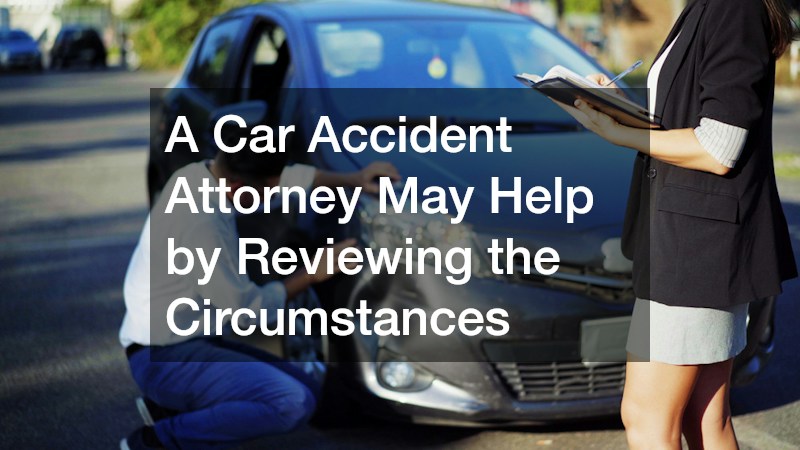
After a car accident, the immediate priorities are safety, medical attention, documentation, and communication with the appropriate insurance companies. However, when an accident causes injuries, significant property damage, lost income, or disagreements about who was responsible, the situation can become more complicated. A car accident attorney may help by reviewing the circumstances, gathering relevant evidence, communicating with insurers, and explaining potential legal options. The National Association of Insurance Commissioners recommends collecting information at the crash scene, including driver and insurance details, witness information, photographs, and accident-related records. Those materials can later help provide a clearer account of the incident. Understanding the role of legal representation early can help people make informed decisions about how to approach an insurance claim or potential personal injury case.
Why Can a Car Accident Become a Complicated Legal Matter?
After a car accident, the immediate priorities are safety, medical attention, documentation, and communication with the appropriate insurance companies. However, when an accident causes injuries, significant property damage, lost income, or disagreements about who was responsible, the situation can become more complicated. The Centers for Disease Control and Prevention (CDC) notes that motor vehicle crashes can result in injuries, disabilities, and other serious health consequences, highlighting why the effects of a collision can extend beyond the initial incident. A car accident attorney may help by reviewing the circumstances, gathering relevant evidence, communicating with insurers, and explaining potential legal options.
What Should You Document After a Car Accident?
You should document the accident as thoroughly as reasonably possible while prioritizing safety and medical care. The National Association of Insurance Commissioners recommends gathering information at the scene and keeping records that can support the insurance claim. Important materials can include:
- Crash information: Record the date, time, location, weather conditions, road conditions, vehicle information, insurance details, and contact information for the other driver.
- Evidence from the scene: Take photographs of vehicle damage and the surrounding area when it is safe to do so, and collect contact information from witnesses who observed the accident.
- Official records: Keep copies of the police or incident report and note the report number, responding officer’s information, and instructions for obtaining the completed report.
- Post-accident records: Maintain medical bills, treatment records, repair estimates, receipts, wage documentation, and correspondence related to the accident and insurance claim.
Organizing these materials can make it easier to explain the accident and track the losses associated with it. It can also give an attorney or insurance professional a clearer starting point when reviewing the circumstances.
When Should You Consider Speaking With a Car Accident Attorney?
You should consider speaking with a car accident attorney when injuries are serious, fault is disputed, insurance issues become difficult, or the financial consequences of the crash are substantial. Not every collision requires legal representation, particularly when the accident is minor and the insurance process is straightforward. However, complicated cases may involve questions about liability, multiple parties, insufficient insurance coverage, long-term medical treatment, or disagreements over the value of a claim. A legal consultation can provide information about applicable deadlines, evidence, potential claims, and the process for dealing with insurers or pursuing a lawsuit. The need for representation depends on the facts of the individual case and the laws of the state where the accident occurred. Consulting an attorney does not require someone to pursue a lawsuit, but it can help clarify the options available.
How Can an Attorney Help With an Accident Claim?
An attorney can help manage the legal and insurance-related aspects of an accident claim while explaining the steps involved. Depending on the circumstances, that assistance may include:
- Reviewing evidence: An attorney can examine accident reports, photographs, medical records, witness statements, insurance documents, and other information that may help establish liability and damages.
- Handling communications: Legal representation can involve communicating with insurance companies and other parties so that claim-related discussions and documentation are organized through the attorney.
- Evaluating losses: Medical expenses, lost income, property damage, and other accident-related losses may need to be documented and evaluated as part of a claim.
- Negotiating or litigating: If an insurance dispute cannot be resolved through negotiations, an attorney can explain whether filing a lawsuit may be appropriate and handle applicable legal procedures.
The specific services provided depend on the attorney, the facts of the accident, and the applicable state law. A prospective client should ask about the attorney’s experience with similar cases, who will handle the case, how communication works, and how fees and case expenses are calculated.
What Insurance Issues Should Accident Victims Understand?
Insurance coverage is important because it can determine which expenses may be covered and how an accident claim proceeds. The National Association of Insurance Commissioners explains that auto insurance policies can include different forms of coverage, including bodily injury liability, property damage liability, collision coverage, uninsured or underinsured motorist coverage, medical payments coverage, and personal injury protection in applicable states. Coverage requirements and rules vary by jurisdiction, so a policy’s terms should be reviewed carefully after an accident. An insurer may also assign a claims adjuster to investigate the circumstances and assess vehicle damage or other covered losses. If a claim becomes disputed, keeping written records of communications and requesting explanations of claim decisions can help maintain an organized record. When the insurance process becomes difficult to navigate, legal guidance may help clarify the available options.
What Should You Ask Before Hiring a Car Accident Attorney?
Before hiring a car accident attorney, ask specific questions about experience, fees, communication, case strategy, and who will handle the day-to-day work. Important questions include:
- How much experience do you have handling car accident cases similar to mine?
- Who will be my primary contact throughout the case?
- How do your legal fees work, and what additional expenses could I be responsible for?
- What information or documentation will you need from me?
- How will you communicate with insurance companies and other parties?
- What factors could affect the timeline or outcome of my claim?
These questions can help clarify expectations before an attorney-client relationship begins. It is also useful to understand that no attorney can guarantee a particular result because accident claims depend on evidence, applicable law, insurance coverage, opposing parties, and other case-specific factors. A consultation can instead provide an opportunity to discuss the facts and understand the legal process before deciding what to do next.
The aftermath of a car accident can involve much more than repairing a damaged vehicle. Medical treatment, insurance claims, lost income, evidence collection, and questions about responsibility can create issues that require careful attention. Knowing what to document and understanding when legal guidance may be useful can help accident victims make informed decisions about their next steps. When the circumstances are serious or disputed, speaking with a qualified car accident attorney can provide information about the legal process and the options that may be available under applicable state law.